
Union Cabinet has approved a programme titled Global Initiative for Academic Networks (GIAN) in Higher Education..read more...
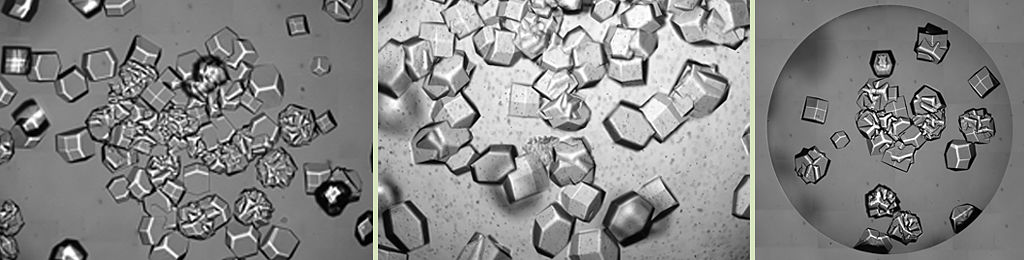
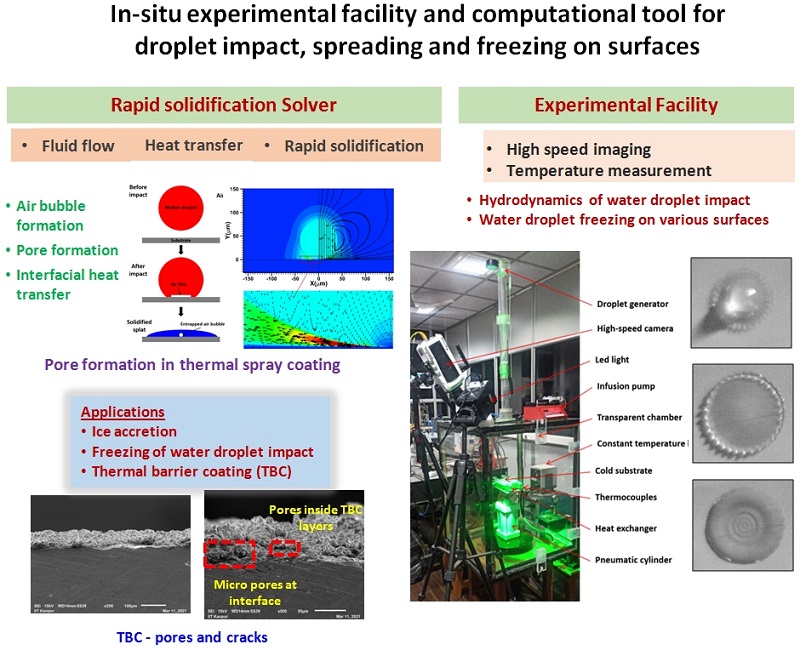
A team of researchers at Indian Institute of Technology Kanpur has studied experimentally the fluid flow pattern inside the droplet.read more...
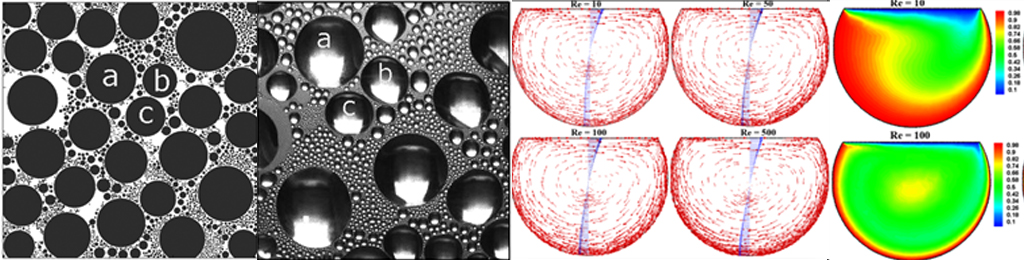

Dropwise condensation is a heterogeneous phase-change process in which vapor condenses in the form of discrete liquid drops.read more...
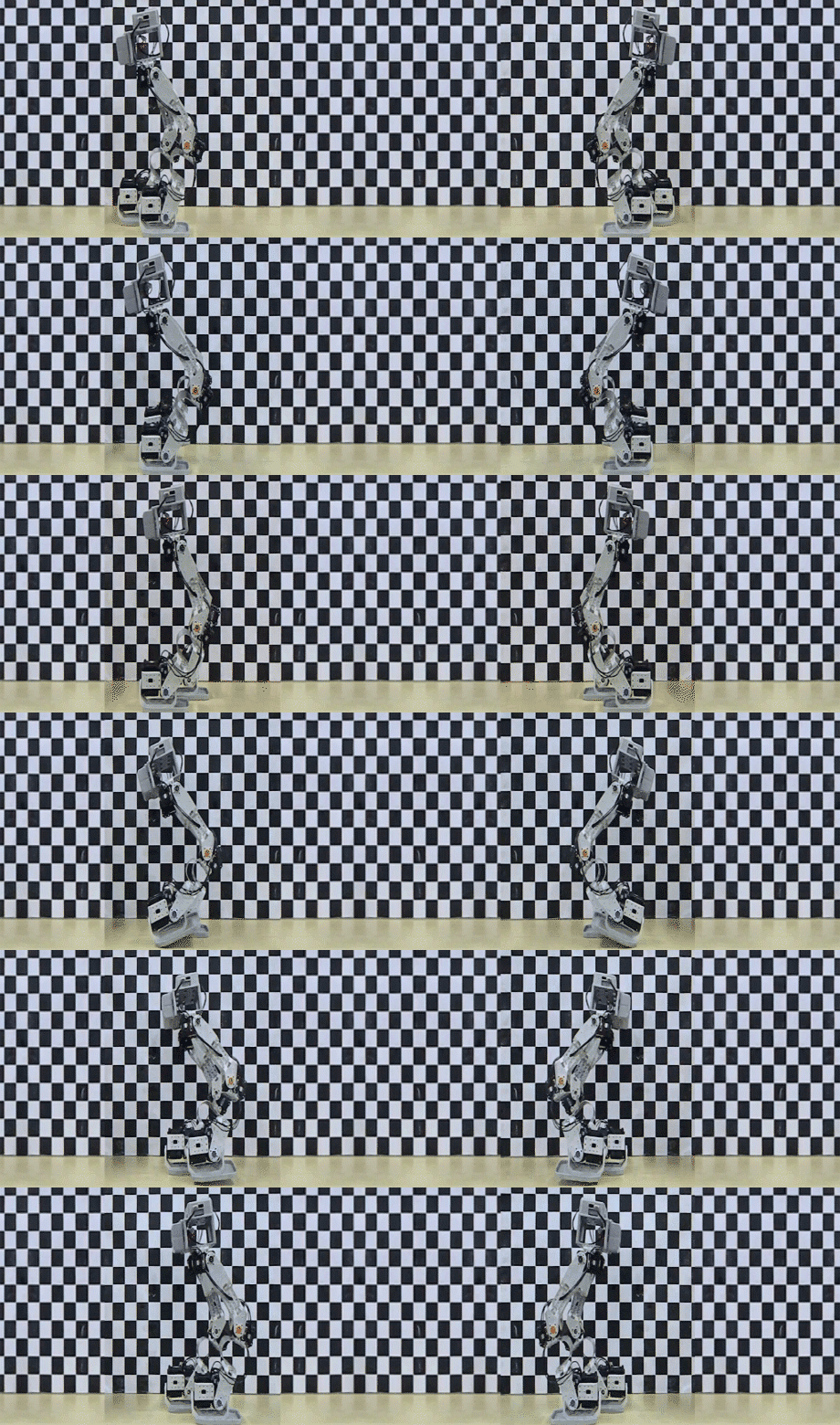


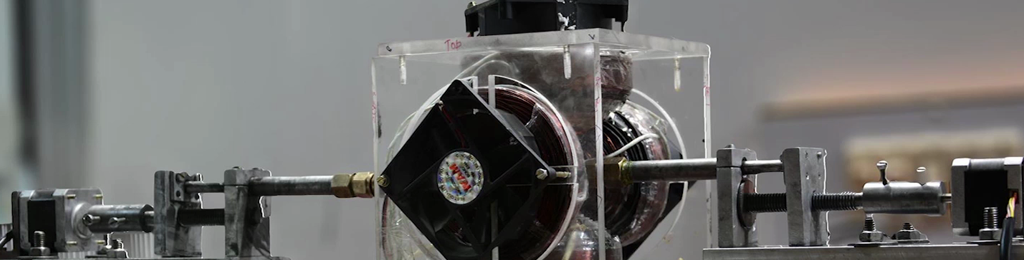
A team of researchers at Indian Institute of Technology Kanpur have designed and experimentally evaluated a new 8-DOF biped robot.read more...
|
|||||||||||||||||||||||||||||||||||||||||||||||||
|
||||||||||||||
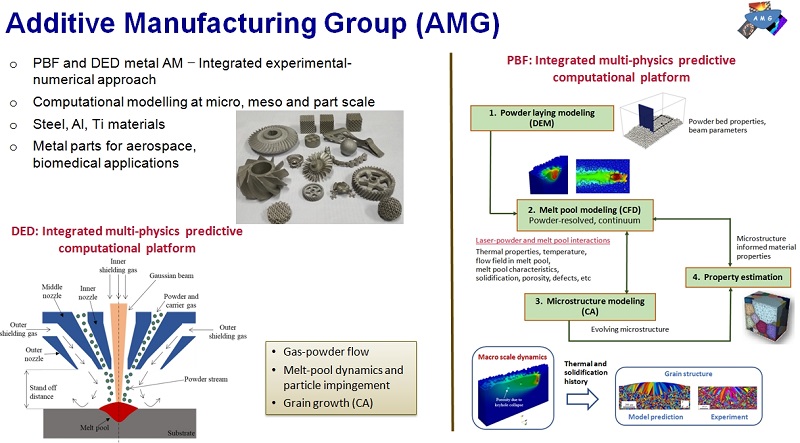
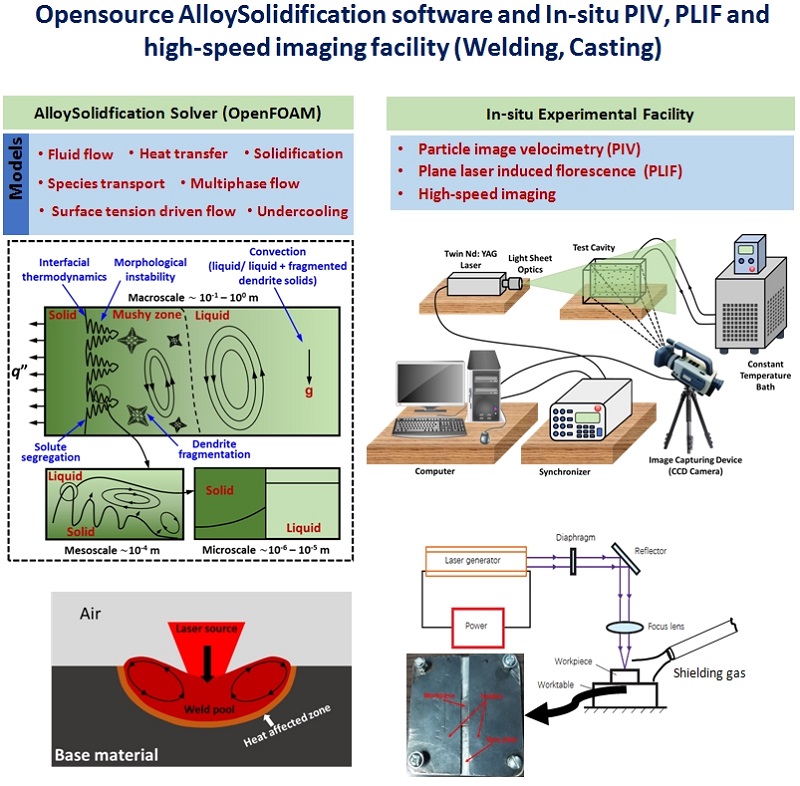
 SANDHI: Newsletter of the Department,Vol.1,2024 | PG Admission in Mechanical Engineering (2024-25, I Semester)
Last Updated on Friday, 15 September
Welcome Message
 Welcome to the Department of Mechanical Engineering at IIT Kanpur. We started our journey in the year of 1960. Over the last six decades, we have grown our expertise and competence in the core Mechanical Engineering curriculum and research.
Featured Faculty
Headlines
 |
|
 |
|
 |
|
 |
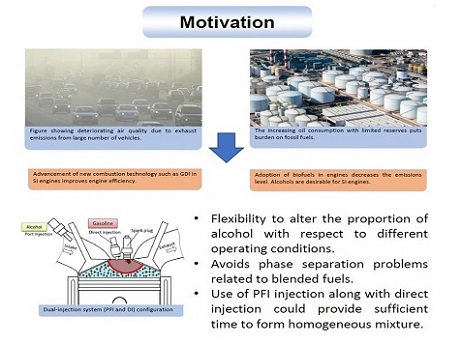
Utilization of Primary Alcohols in Dual-Fuel Injection Mode in a Gasoline Direct Injection Engine
Ankur Kalwar, Avinash Kumar Agarwal*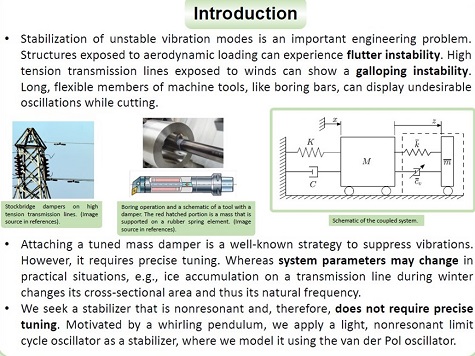
Vibration Stabilization by a Non-resonant Secondary Limit Cycle Oscillator
D.D Tandel, Pankaj Wahi and Anindya Chatterjee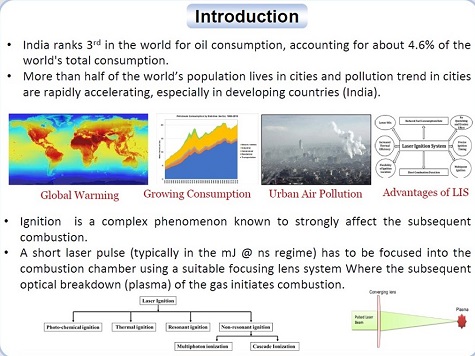
Vibration Stabilization by a Non-resonant Secondary Limit Cycle Oscillator
Dhananjay Kumar and Avinash Kumar Agarwal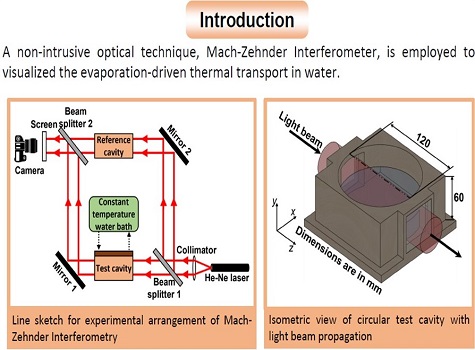
Estimation of Interfacial Heat Flux for an Air-Water System placed inside a Circular Enclosure
Manish Bhendura, K. Muralidhar* and Sameer Khandekar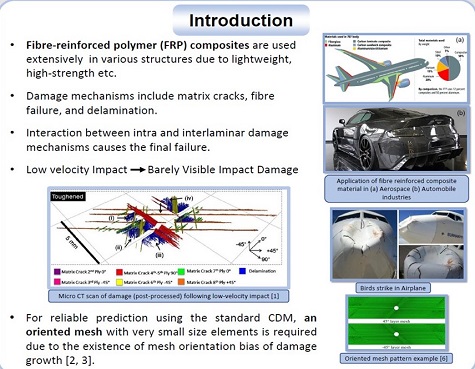
Modelling static indentation induced damage in composites using a novel mesh-directed damage mechanics approach
Manish Kumar and Supratik Mukhopadhyay*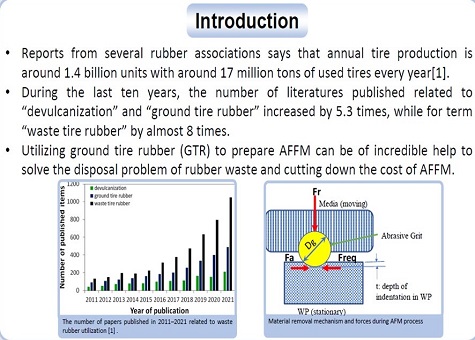
Development of novel low cost sustainable abrasive flow finishing media from ground tire rubber
Irfan Ahmad Ansari and Kamal K. Kar*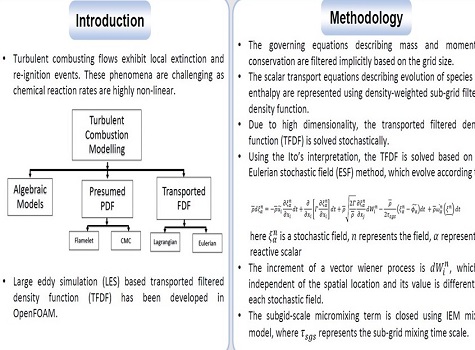
Development of a Transported FDF solver within LES framework
Krishna Chaitan Marthi and SantanuDe
Modulation of elastic properties of active latticed structures
Amanpreet Singh, Bishakh Bhattacharya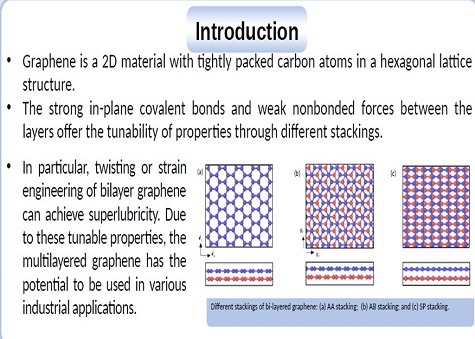
A continuum model for anisotropic friction between graphene sheets accounting for surface and edge effects
Aningi Mokhalingam, Gourav yadav, Roger A. Sauer and Shakti S. Gupta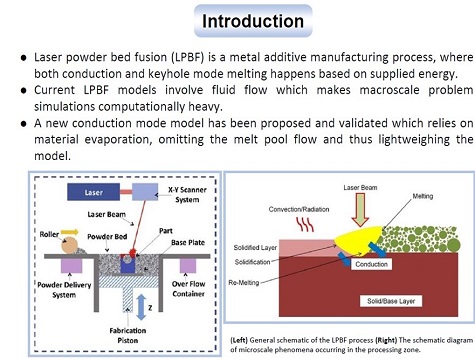
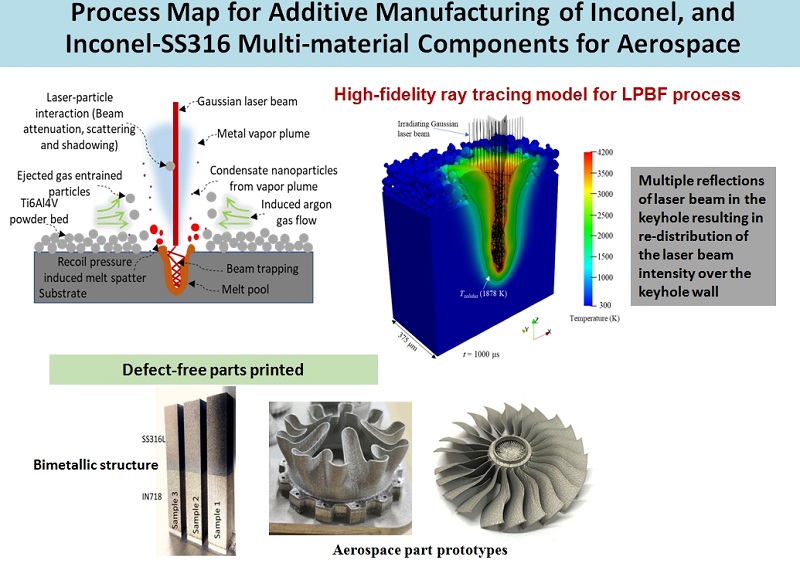
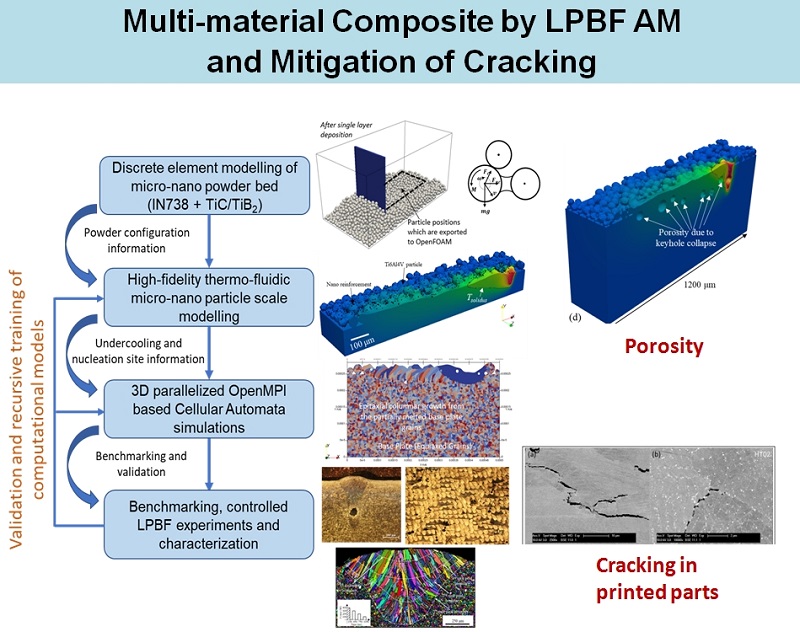
Development of a thermo-evaporative model of laser powder bed fusion for macroscale simulations
Ashish Kumar Mishra, Arvind Kumar*, Dr. Govind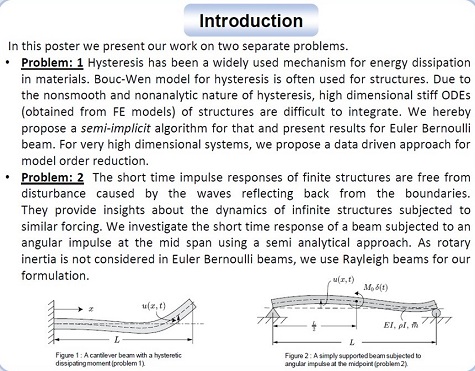
Two problems in the vibrations of beams
Bidhayak Goswami and Anindya Chatterjee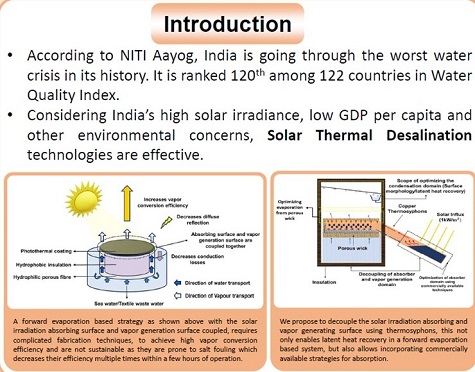
Continuous Vapor Generation for Thermal-Desalination Application Using a Thermosyphon Based Heat Localization Strategy
Debartha Chatterjee and Sameer Khandekar*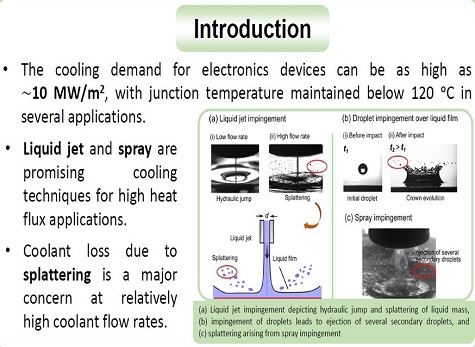
Effect of Liquid Splattering on Thermal Performance of Jets and Sprays over Plain and Pillared Surfaces
Gopinath Sahu, Sameer Khandekar, K. Muralidhar
Study of Elevated Jet in Crossflow
Jyoti Gupta and Arun K Saha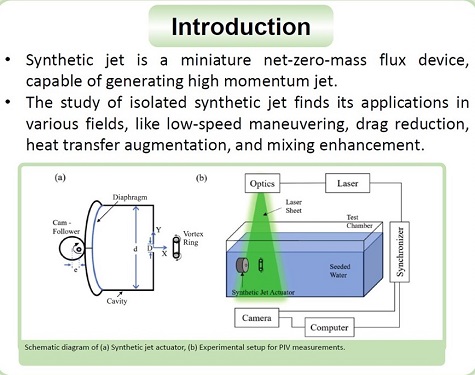
Proper Orthogonal Decomposition of Axis-Symmetric Isolated Synthetic Jet
Malkeet Singh* and Arun K Saha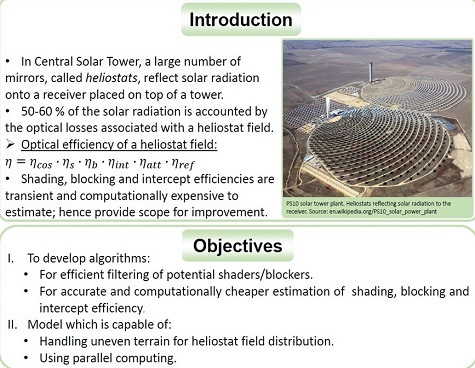
Method development for estimating the optical efficiency of a heliostat field
Manish Raj and Jishnu Bhattacharya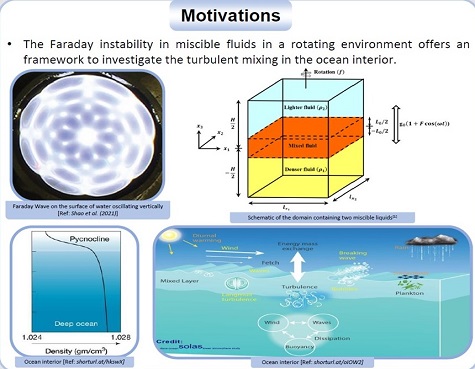
Dynamics of turbulent mixing driven by Faraday instability in miscible fluids in a rotating environment
Narinder Singh, Anikesh Pal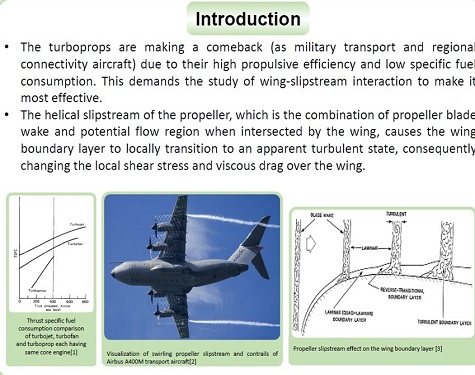
The study of propeller slipstream in the advancing condition at low velocity
Bipin Kr. Mishra and Dr. Pranav Joshi*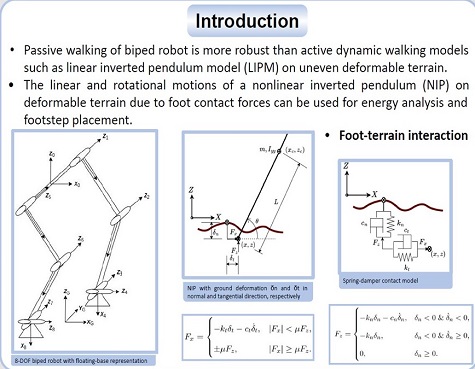
Footstep Planning of Biped Robot for Walking on Uneven Deformable Terrain
Sunil, Shakti S. Gupta and Ashish Dutta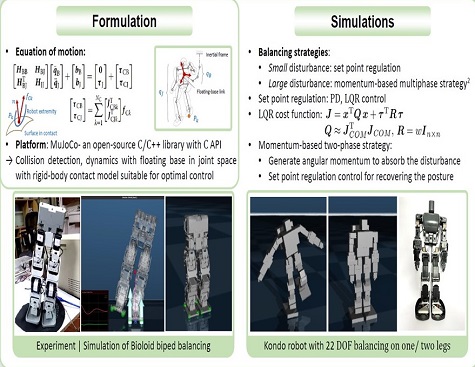
Push Recovery Control of a Humanoid Robot Incorporating Joint and Link Torsional Compliance
Vyankatesh Ashtekar and Ashish Dutta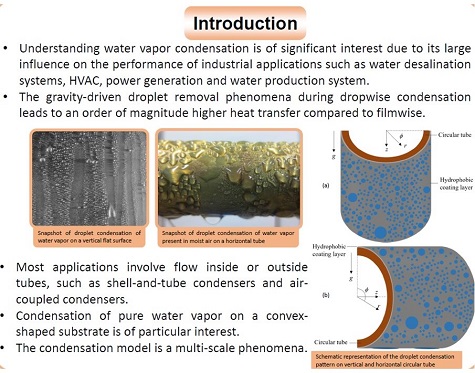
Development of droplet condensation model of pure vapor on tubular surfaces
Waquar Raza* and K Muralidhar
Announcements
Reporting date of all new PG students: Jul 18 - 19, 2024
Departmental Orientation of new PG Students: Jul 20, 2024, 2:30 PM onward, Venue: L16
PhD admission (Round 2): Application form available here. Last date of application: 4th July 2024. Online written test: 7th July, 2024, Online/Offline Interviews: 10th July, 2024
M.Tech. Admission (through COAP): Cutoff score, Vacancy and fee paid data
Selected candidates for provisional admission in PhD programme
Selected and WL candidates for MS(R) admission (Institute-sponsored category) Round 1
Rolling advertisement for faculty recruitment
ME Seminar
Nov 2022
"AI-assisted Robotic Soldier."
Time: 5:15 PM (IST), Venue: Zoom online