IEM Laboratory
IEM Laboratory
The laboratory course in Infrastructure Engineering and Management is designed to provide practical and computational insights into the key aspects of construction project management. The course aims to enhance technical competence and problem-solving skills through hands-on exercises and real-world applications.
Various aspects include:
- Project management software: Computational exercises relevant to project management and controls (use of Microsoft Project & Primavera).
- Estimation and Scheduling: Quantity estimation & take-off, bar bending schedule, planning & estimation of formwork, project planning, scheduling, and control.
- Productivity measurement: Productivity calculation & workforce estimation, construction equipment and machinery estimation.
- Building Information Modelling: Applications and need of BIM in construction project management.
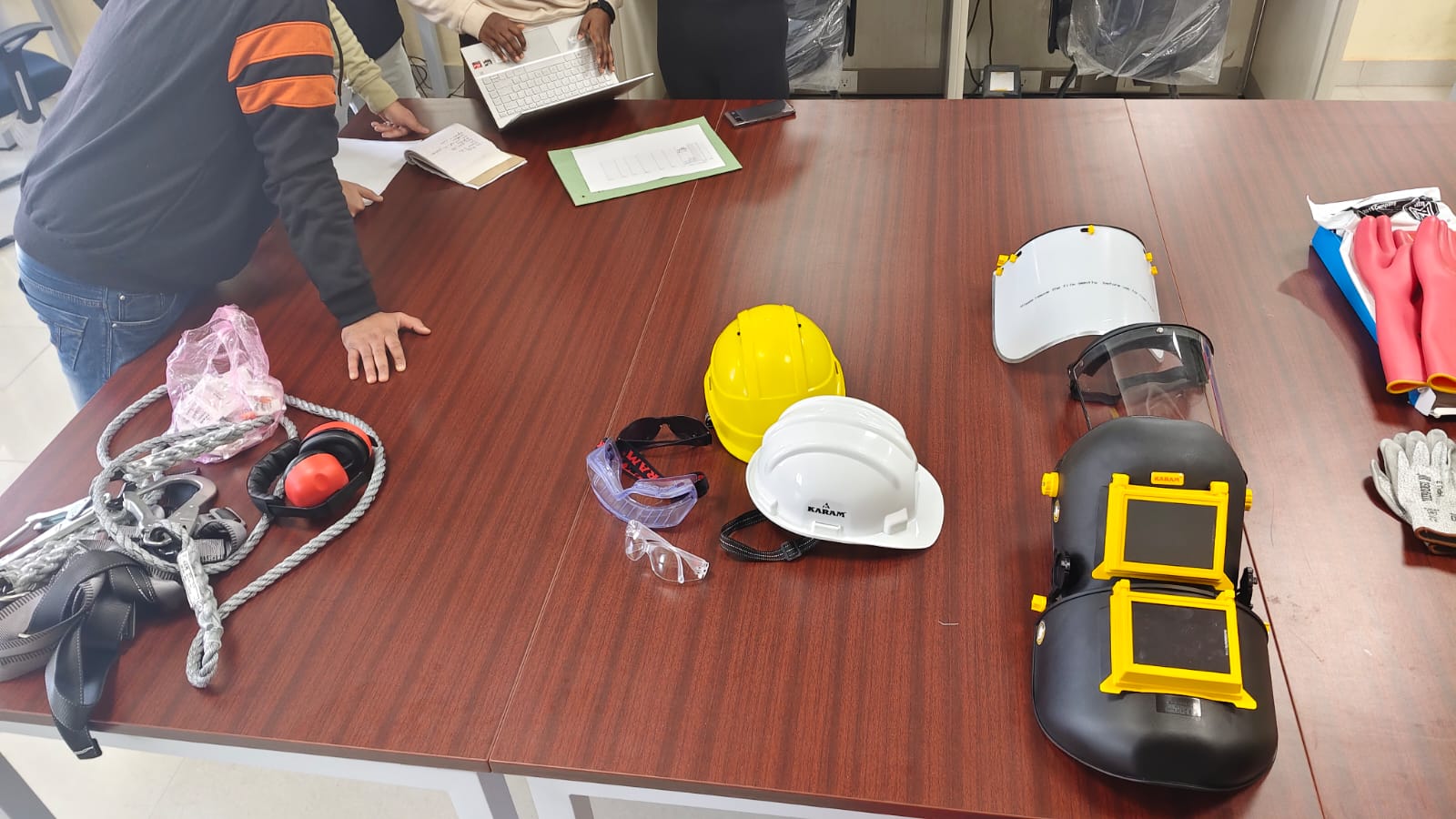
- Site safety: Safety aspects on construction projects, use of Personal Protective Equipment (PPE), fall protection, electrical safety, emergency preparedness etc.
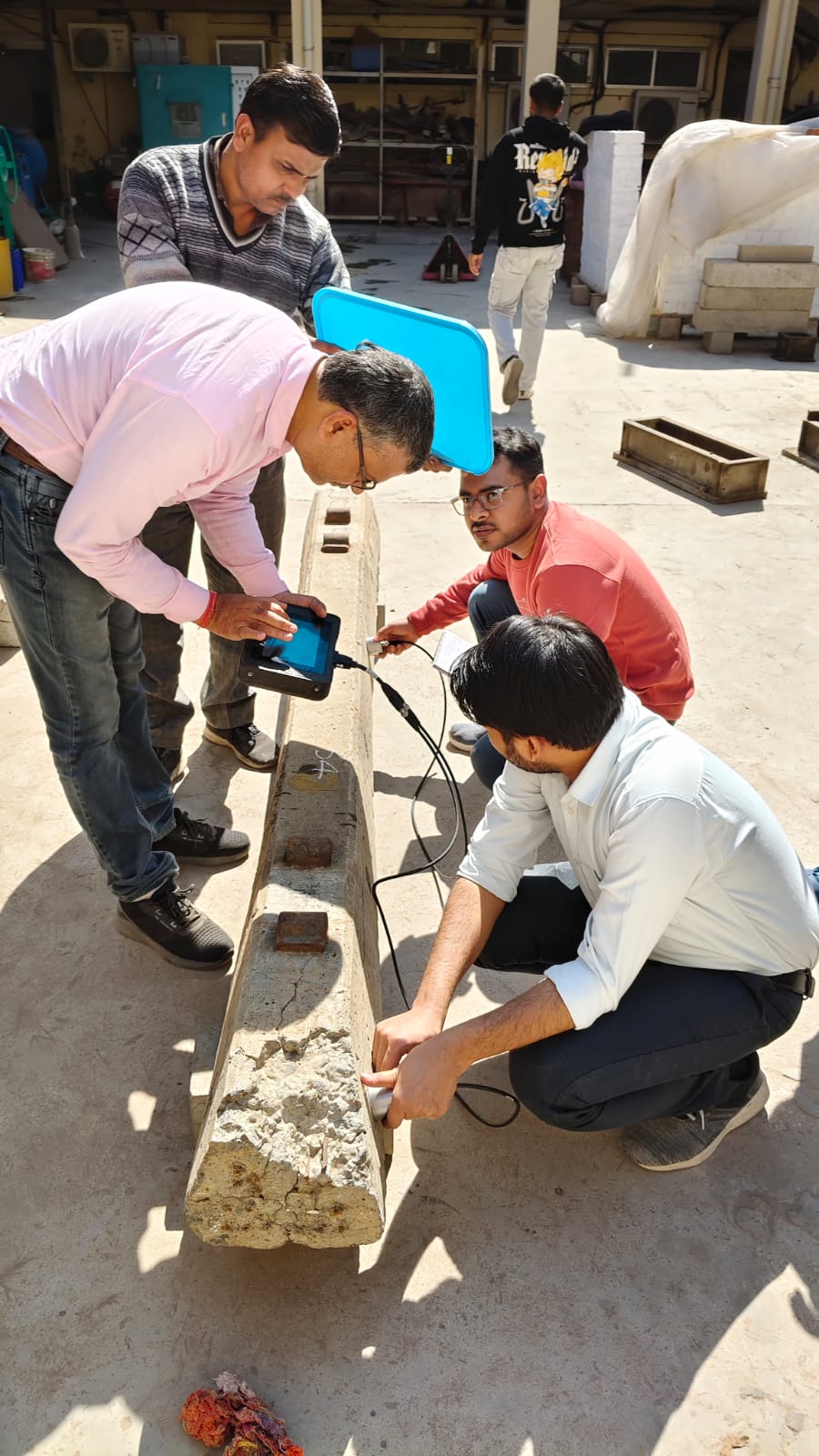
- Experiments related to repair and rehabilitation of concrete: Advanced concrete construction & Non-Destructive Testing (NDT).
The key focus areas are outlined below:
Site Layout Planning
This module engages students in practical exercises that simulate real-world site layout planning challenges. It equips students with hands-on experience in designing functional and efficient site layouts, integrating considerations for safety, logistics, and operations.


Quantity-take offs and Estimation
This module focuses on quantity estimation and includes aspects such as determining material quantities from drawings and specifications, developing a Bar Bending Schedule (BBS), and estimating formwork requirements based on concrete pour plans and erection sequences.

Project planning and Scheduling
This module involves computational exercises using industry-standard project management software. The objective is to enhance proficiency in project planning, scheduling, and control using platforms such as Microsoft Project (MSP), Primavera, Navisworks etc.


Productivity Measurement
This module aims to develop analytical skills for assessing and improving construction productivity. Key components include:
- Workforce Estimation: Calculating labour requirements based on task complexity and productivity rates.
- Construction Equipment and Machinery Estimation: Selecting and allocating equipment based on site conditions and work demands.
Building Information Modelling (BIM)
This module emphasizes the integration of BIM in construction project management to improve efficiency. It covers different applications of BIM such as clash detection, design coordination, and pre-construction visualization, among others.
Safety Equipment
The safety module focuses on different aspects of safety on construction projects, including use of Personal Protective Equipment (PPE), fall protection, electrical safety, emergency preparedness etc. to prevent accidents and injuries on construction sites. Different safety equipment and their uses are highlighted.


Repair and Rehabilitation of Concrete
This module addresses the challenges in maintaining concrete structures and improving their durability. It includes:
- Advanced Concrete Construction: Techniques for improving concrete strength and performance.
- Non-Destructive Testing (NDT) and Non-Destructive Examination (NDE): Identifying defects and assessing structural integrity without causing damage.