Team JTRC
Aayushi Nirwan
Aayushi Nirwan (Research Associate)
I’m Aayushi Nirwan. I hold a Bachelor’s degree in Political Science from Daulat Ram College, University of Delhi, and a Master’s degree in Social work from the Central University of Gujarat, Gandhinagar. My research topic was “Beyond Innocence: Unraveling the influence of media and popular culture on youth Criminal Behavior” I did internships with several Organizations which include District Child Protection Unit, HelpAge India, and Astittva Welfare Foundation etc. I also got opportunity to work on project “AASHIYAN” where I formulated Need Assessment Framework of different old age homes in Delhi in order to get an overview of infrastructural development in these old age homes. I had been a Field Coordinator under project “Sadbhawna” and Key responsibilities include patient support, resource coordination, Community outreach and Education, Crisis Intervention etc. I am passionate about public policies and how the policy making process works through every single social strata of life. As a student of social work I found nuances of human life and learn this importance of serving the underprivileged sections of the society. I believe in sheer hardwork, continuous learning and a creative zeal because through these things one can grow and develop his or her skills.
Akash Yadav
Akash Yadav (Field Worker)
Mr. Akash Yadav holds a Bachelor of Commerce (B.Com) degree from Chhatrapati Shahu Ji Maharaj University and is currently pursuing an MBA from SVSU. He served as an Office Assistant at the Dean of Academic Affairs (DOAA), IIT Kanpur, from 2021 to 2024, where he supported academic administration and office coordination.
He joined the Just Transition Research Centre (JTRC), IIT Kanpur, in August 2024 as a Field Worker, contributing to field-level research activities, data collection support, and project outreach initiatives of the Centre.
Dr. Amit Karmakar
Dr. Amit Karmakar (Project Post-Doctoral Fellow)
Dr. Amit Karmakar is a Post-Doctoral Fellow at the Just Transition Research Centre (JTRC),
Department of Humanities and Social Sciences, Indian Institute of Technology Kanpur. He holds
a PhD in Geology from the Academy of Scientific and Innovative Research, with his doctoral
research focusing on organo-petrographic insights into the beneficiation behavior of coking and
non-coking coals for sustainable industrial utilization.
Dr. Karmakar brings over a decade of research and field experience associated with the CSIRCentral
Institute of Mining and Fuel Research, encompassing coalfield investigations, mine-site
sampling, borehole core logging, and sub-sampling across major Indian coal and lignite basins.
His field expertise is complemented by advanced laboratory proficiency in coal petrography,
vitrinite reflectance analysis, XRD, XRF, FTIR, ICP-OES/MS, SEM, Raman spectroscopy, and
proximate-ultimate analysis, enabling integrated assessments of resource quality, environmental
risk, and industrial usability.
At JTRC, his research is positioned at the interface of geoscience, sustainability, and sociotechnical
transition with a focus on critical mineral security, resource efficiency, and evidencebased
pathways for a just energy transition. His work contributes to understanding how legacy
fossil-fuel regions can transition responsibly by leveraging scientific knowledge for policy design,
industrial restructuring, and community-sensitive resource governance.
Dr. Karmakar has published extensively in leading international journals and contributed to
interdisciplinary volumes addressing environmental geochemistry, circular economy, and
sustainable mining. His broader interests include critical minerals for clean energy technologies,
coal-region transitions, environmental justice in extractive landscapes, and science-policy
integration for sustainable development.
Apoorva Shrivastava
Apoorva Shrivastava (Research Associate)
Apoorva Shrivastava has completed her master’s degree in Economics from Kurukshetra University with a specialization in econometrics and mathematical economics and earned a bachelor’s degree in Economics (Hons.) with psychology from Sophia Girls' College, Ajmer. She also holds a Diploma in Sustainable Development from Sophia Girls' College. Apoorva has successfully cleared UGC-NET for Assistant Professor in Economics. Her academic journey is supported by a strong research orientation, with two published papers: “Green Cosmetics: The Factors Influencing Green Purchase Behavior of Youth in Ajmer City” in the UGC CARE journal, and “Analyzing the External Sector: A Comparative Study of Three G21 Nations Across Three Continents” in the UGC-approved journal. She has also worked as a Subject Matter Expert in Economics and participated in multiple internships and workshops, including those focused on content writing and social work.
Dr. Arnab Banerjee
Dr. Arnab Banerjee (Project Post-Doctoral Fellow)
Dr. Arnab Banerjee is a Post-Doctoral Fellow at the Just Transition Research Centre (JTRC), IIT Kanpur. He holds a Ph.D. in Agricultural Extension from Bidhan Chandra Krishi Viswavidyalaya (BCKV), West Bengal. His doctoral research, titled “Decision Ecology in Operating Agroecosystems of West Bengal: The Process, Analytics and Design”, focused on understanding complex decision-making processes in agroecosystems using advanced analytical and participatory approaches. He also earned an M.Sc. in Agriculture and Rural Development from Ramakrishna Mission Vivekananda Educational and Research Institute (RKMVERI), where he was a Gold Medalist, and a B.Sc. (Hons.) in Agriculture from BCKV. In addition, he completed a Post Graduate Diploma in Agricultural Extension Management (PGDAEM) from MANAGE, Hyderabad, securing first rank.
His work focuses on socio-ecological systems, systems thinking, participatory modelling of human–environment interactions, behavioural science, decision ecology, agroecology, agricultural transition, rural development, and livelihood transformation. He is experienced in interdisciplinary, data-driven, and participatory research approaches integrating both quantitative and qualitative methods. He has published in peer-reviewed journals, contributed to books, received national and international best paper presenter awards. He has professional experience in teaching, training and capacity building, research, and knowledge management, including engagements with MANAGE, UNOPS-supported project, and PRMS Mahavidyalaya. At JTRC, he works on just transition, supporting policy-relevant research for equitable, sustainable, and inclusive transition pathways.
Darshan Jain
Darshan Jain (Research Associate)
I am a development studies graduate with an interdisciplinary background in history and public policy, and experience across political consulting, heritage archives, and the social sector. Through extensive fieldwork, community engagement, and policy evaluation, I have developed a strong interest in public leadership and development practice. My long-term goal is to work in the CSR sector, where I aim to contribute meaningfully to the protection and preservation of India's cultural heritage and historical assets.
Deepa Ray
Deepa Ray (Research Associate)
Deepa Ray is a Research Associate at the Just Transition Research Centre (JTRC) IIT Kanpur, with expertise in disaster management, environmental sustainability, industrial safety, and geospatial analysis. She holds a Master’s degree in Disaster Management from Panjab University and a Bachelor’s degree in Geography (Honours) from the University of Delhi.
She has worked as a Community Mobilizer with Green Dream Foundation under a CSR initiative of Jindal Stainless Limited, contributing to community-based solid waste management and environmental awareness programs. She has received professional training at Gunvatta Gurukul under the Quality Council of India (QCI) and served as a Junior GIS Engineer at Arahas Technologies Limited, gaining hands-on experience in GIS-driven spatial analysis and applied geospatial solutions.
Her academic and field experience includes internships with Bihar State Disaster Management Authority (BSDMA), Mahatma Gandhi State Institute of Public Administration (MGSIPA), Relief Commissioner Office, and Climate Resilient Observing Systems Promotion Council (CROPC) where she engaged in disaster risk reduction, governance, and administrative processes.
She has participated in national, international conferences and technical forums, representing Chandigarh at National Youth Conclave organised by IIFM Bhopal, EIACP programs under MoEF, International Conference on Science, Spirituality and Health at Sharda University, and 9th National Lightning Conference organized by MoES in collaboration with NRSC, IMD, NDMA, and CROPC.
She has completed two independent half-year diploma programs in Industrial Safety and Fire Engineering from the Central Institute of Fire and Safety, Kanpur, and attended advanced trainings and workshops conducted by MGSIPA in collaboration with the National Institute of Disaster Management (NIDM).
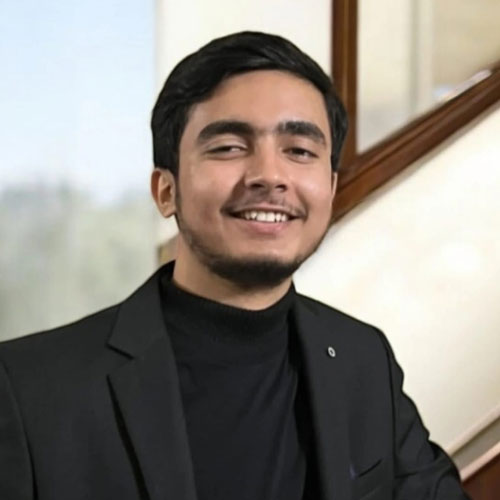
Dev Kumar Singh
Dev Kumar Singh (Research Associate)
Dev Kumar Singh is a Research Associate at the Just Transition Research Centre (JTRC) at IIT Kanpur. He holds a Master’s degree in Economics (with specialization in Energy Economics) from Banaras Hindu University. His dissertation, titled “Economic Implications of AI-Driven Energy Demand Forecasting on National Grid Efficiency and Market Pricing,” explores AI-driven forecasting in energy systems. He also holds a Bachelor’s degree in Economics, Political Science, and Sociology from the University of Lucknow, and he is enrolled in a Professional Certificate program in Data Analytics & Generative AI at IIT Kanpur.
His research interests lie at the intersection of data analytics, energy economics, and generative AI, reflecting a strong foundation in energy policy and sustainable development. He is proficient in tools such as Excel, R, SQL, and Tableau, with working knowledge of Python and AWS Glue, which support his data-driven approach to analysing energy systems. He aims to leverage these skills to address complex challenges in the energy sector, aligning with JTRC’s mission of clean and equitable energy transitions.
Prior to joining JTRC, he gained hands-on experience through internships at India’s Indian Renewable Energy Development Agency Limited on deputation by Ministry of New and Renewable Energy (Government of India), Earth5R, and the Dhruvan Foundation, where he worked on renewable energy finance, sustainability case studies, and community education. He has also volunteered with Earth Day Network India, leading outreach for the “Young Climate Champions” program. In his role at JTRC, Dev integrates his academic background and technical expertise to advance research on sustainable and just energy transitions.
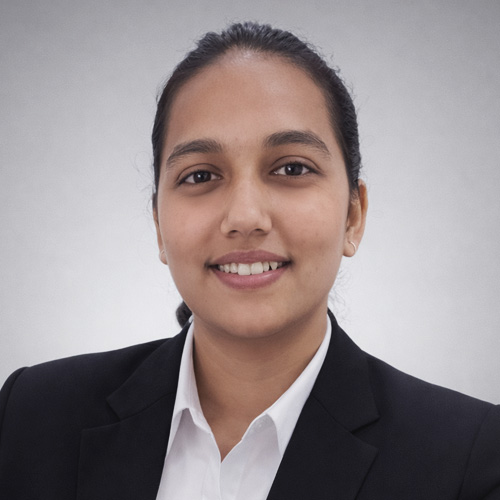
Harshita Tiwari
Harshita Tiwari (Research Associate)
Harshita Tiwari has completed her MSc in Economics from the Gokhale Institute of Politics and Economics. Her academic and professional work lies at the intersection of public policy, data analysis, and social outcomes. Her research experience includes a dissertation on the impact of women’s education on child health outcomes using NFHS data and applied econometric methods.
She has been associated with the DGRD Centre, contributing to projects focused on sustainable development and applied research. Harshita has interned at CPC Analytics as a Data and Research Intern and has also worked with the Population Research Centre (PRC), GIPE, as a Field Invigilator, gaining experience in both analytical and field-based research environments.
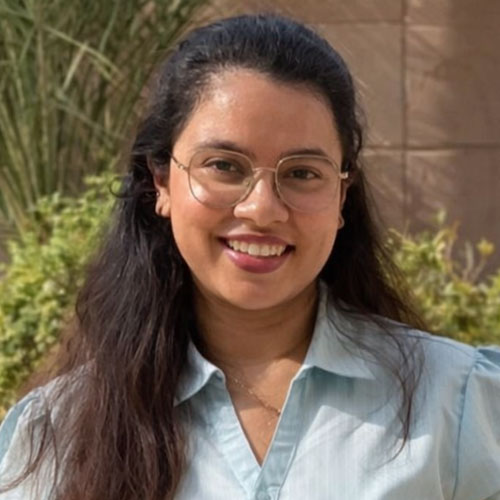
Kaushani Roy
Kaushani Roy (Research Associate)
Kaushani Roy is a Research Associate at the Just Transition Research Centre (JTRC), IIT
Kanpur. She holds a Master’s degree in Environmental Studies and Resource Management
from TERI School of Advanced Studies, New Delhi, and a Bachelor’s degree in Geography
(Honours) from Loreto College, University of Calcutta. Her postgraduate research focused on
sustainable sanitation and decentralized wastewater management, integrating policy evaluation
with GIS-based spatial analysis to assess climate resilience and technology suitability.
Prior to joining JTRC, Kaushani gained diverse research experience through internships with
several government bodies, consultancies, and reputed academic institutions. These include the
NITI Aayog, Government of India, Wildlife Crime Control Bureau (MoEFCC), Mu Gamma
Consultancy Pvt. Ltd., and Presidency University, Kolkata. Her research expertise broadly lies
in biodiversity and ecological studies, environmental policy analysis, climate resilience
assessment, GIS-based spatial analysis, and natural resource management.
Kaushani has been recognised for academic excellence through the Merit Award for Proficiency
in Geography Honours and the Faculty Prize for All-Round Performance in Geography from
Loreto College, University of Calcutta. She is deeply passionate about contributing to evidencebased policy research and action-oriented sustainability initiatives, and she aspires to support
JTRC’s mission by advancing research that promotes environmentally sound, socially just, and
context-sensitive transition pathways.

Manisha Drall
Manisha Drall (Ph.D Student)
Manisha holds a Master’s degree in Natural Resource Management from Guru Gobind Singh Indraprastha University, New Delhi. During her Master’s dissertation, she worked at IUCN India Country Office and completed her research thesis under the project “Himalayas For the Future”. She also holds a Post Graduate Diploma in Environmental Law and Policy from WWF India and National Law University, New Delhi.
She has worked with Policy Advocacy team of CII-ITC Centre of Excellence for Sustainable Development (CESD) on the topic of Single Use Plastics as an Intern. After completing her master’s degree, she joined SunMoksha Power Private Limited, Bangalore as a Project Intern and continued her work on the “Himalayas For the Future” project. Her work was focused around modelling of various thematic areas using System Dynamics approach. Working in this project derived her interest in the social aspect of Environment Management. Her research interests include Environmental Sociology, Natural Resource Management, Just Transition, Forest Ecosystem, Indigenous communities and their livelihood, Human Wildlife Conflict and Climate Change.
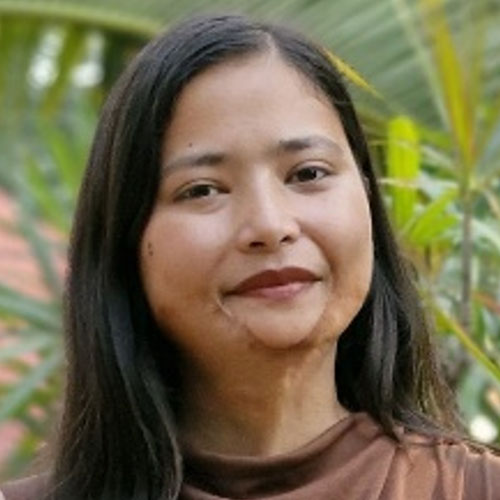
Dr. Manjari Upreti
Dr. Manjari Upreti (Project Post-Doctoral Fellow)
Dr. Manjari Upreti is a Post-Doctoral Fellow at the Just Transition Research Centre (JTRC), IIT Kanpur. She holds a Ph.D. in Geoinformatics from the Central University of Jharkhand, Ranchi, and was awarded the CSIR (Direct) Senior Research Fellowship. Her doctoral research focuses on urban ecology and hazard–risk assessment, with particular emphasis on monitoring and modelling urban microclimatic and landscape dynamics using Earth observation–based satellite datasets and advanced geospatial techniques. Her research also proposes green development strategies as pathways for planning biophilic cities, aiming to enhance urban quality of life under changing climatic conditions.
Dr. Upreti is a Gold Medalist in M.Sc. (GIS and Remote Sensing) from Amity University, Noida, and holds a Bachelor’s degree in Geography from the University of Delhi. As a young and motivated researcher, she is deeply interested and passionate about policy-driven geospatial and Earth observation–based research, with extensive experience in academic and scientific writing. She has published several research articles in Scopus- and SCI-indexed journals and contributed multiple book chapters in edited volumes. She has also actively pa
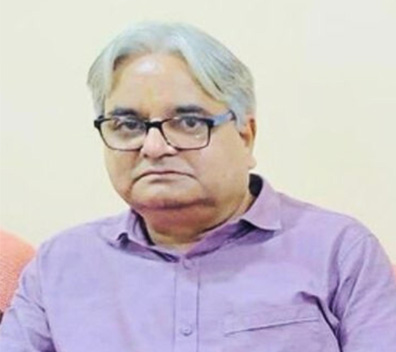
Manoj K. Srivastava
Manoj K. Srivastava (Project Manager)
Mr. Manoj K. Srivastava is the Project Manager at the Just Transition Research Centre, IIT Kanpur, where he oversees the Centre’s administrative and operational functions. He holds an M. Com and LL. B degree from Chhatrapati Shahu Ji Maharaj University.
He began his professional career at IIT Kanpur in 1988 and brings with him over three decades of rich institutional experience. Over the years, he has served in several key departments and centres of the Institute, including the Department of Computer Science & Engineering, NWTF, and the Directorate, contributing across diverse administrative roles.
During his tenure at IIT Kanpur, he has held positions such as Junior Superintendent, Superintendent, and Superintendent, gaining extensive expertise in academic and administrative processes.
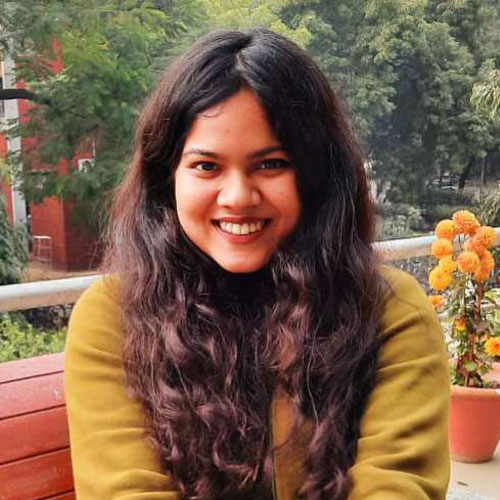
Mayurakshi Acharyya
Mayurakshi Acharyya (Ph.D Student)
Mayurakshi obtained her Bachelor of Arts and Master of Arts degree in Sociology from Jadavpur University, Kolkata. She has worked as a guest lecturer in the Department of Sociology at Shri Shikshayatan College, Kolkata, teaching both Honours and General programme students. She cracked the National Eligibility Test in her first attempt, and is also a holder of the University Grants Commission Junior Research Fellowship. Currently, she is a first year PhD student at the Department of Humanities and Social Sciences, IIT Kanpur. Her area of interest lies in Environmental Sociology, Environmental Justice, Energy Transition, social mobility and migration.

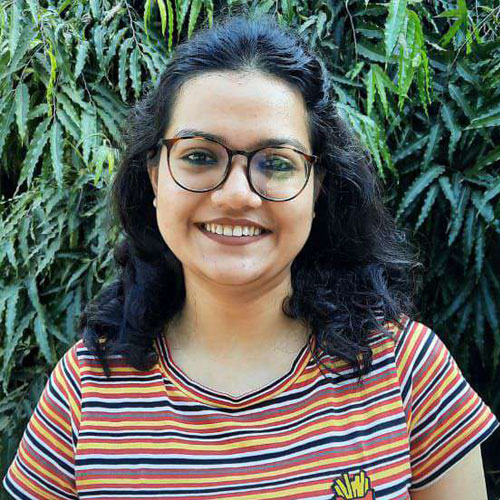
Nandana Bhattacharjee
Nandana Bhattacharjee (Ph.D Student)
Nandana has obtained her bachelor’s degree in sociology from Presidency University, Kolkata and master’s in sociology from South Asian University, New Delhi. She has qualified National Eligibility Test for Assistant Professor in January 2022. During her bachelor’s she has done an internship from Hope Foundation, Calcutta. Currently she is a doctoral candidate in Sociology at Department of Humanities and Social Sciences, IIT Kanpur. Her doctoral work at IIT Kanpur focuses on gender, justice and energy transition.
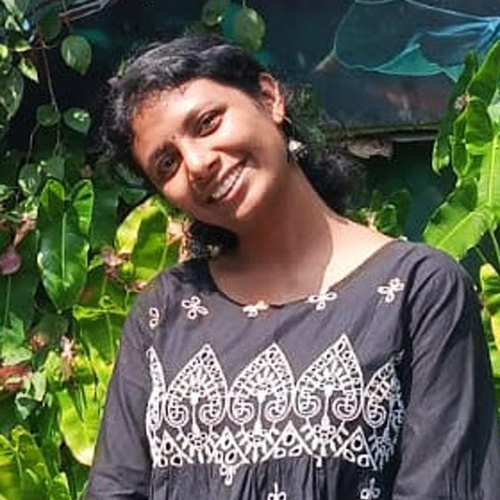
Neehara P.S.
Neehara P.S. (Research Associate)
I hold a Master's degree in Applied Geography and Geo-Informatics, with a specialization in climate change and geospatial data analytics. I completed my undergraduate studies at Miranda House, University of Delhi, earning a BA (Hons) in Geography.
My research focuses on understanding climate-environment interactions using satellite observations and statistical techniques.
I have extensive experience working with multi-source geospatial datasets and am proficient in GIS, remote sensing, and statistical modeling tools, including ArcGIS Pro, QGIS, ERDAS Imagine, and Google Earth Engine.

Naorem Nishikanta Mangang
Naorem Nishikanta Mangang (Ph.D Student)
Nishi completed his M.Phil. in Sociology from Jadavpur University and obtained an M.A. in Sociology from Pondicherry University. The growing concerns of climate change in the world motivated Nishi to work on the policy framework of energy transition in India for his doctoral thesis at IIT Kanpur. He is interested in investigating the role of trade unions in coal-based power plants in India. In 2019, he presented a paper titled “Market-a space for social mobility and identity assertion for the women in Manipur” at the National Seminar on “Regimes of Gender in Contemporary Globalization” organised by the Department of Political science, Presidency University Kolkata. He is currently receiving a Junior Research Fellowship from the University Grants Commission for his doctoral research.

Poulami Ghosh
Poulami Ghosh (Research Associate)
Poulami Ghosh recent graduated of the Master of Arts in Public Policy from Mount Carmel College Autonomous, Bangalore. Her master’s dissertation centered around an analysis of the Karnataka State Policy for Senior Citizens, 2003 with a special focus on Old Age Homes and Day Care Centres run by State Grants in Bengaluru Urban and Rural Districts to understand the impact of policy interventions on elders residing in old age homes. In addition to her academic pursuits, she has gained valuable experience through internships at policy think tanks, political consultancy firms, NGOs, and startups. Her interest area lies mostly around policy interventions within the social sector that address the needs and issues of marginalised sections of the society.
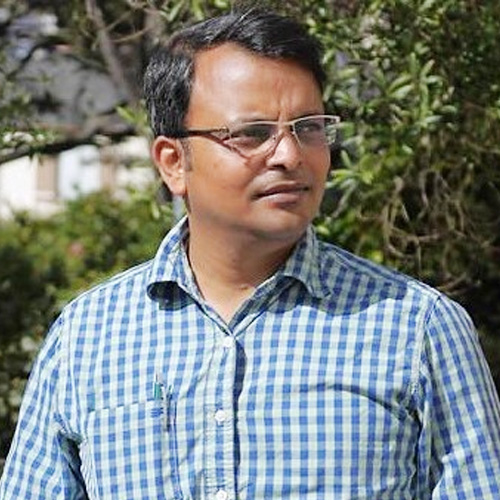
Prof. Pradip Swarnakar
Prof. Pradip Swarnakar (Principal Investigator)
Pradip Swarnakar is trained as a sociologist and specializes in conducting quantitative and qualitative research on various social and environmental issues. During his doctoral research at IIT Kanpur, he had conducted extensive fieldwork in rural West Bengal to investigate people’s beliefs and practices concerning water scarcity and contamination. After completing his PhD, he joined the Centre for Interdisciplinary Studies in Environment and Development at Bangalore to examine the socio-psychological impact of groundwater arsenic contamination. One year later, he moved to IIT Delhi to explore why and how information and communication technologies facilitate small and medium enterprises’ economic activities in Dharavi- Asia’s largest slum at Mumbai. In 2009, he joined the ABV-Indian Institute of Information Technology and Management Gwalior and taught undergraduate and postgraduate students in technical and management streams. During his tenure at IITM Gwalior, he observed that the Indian students spend considerable time on social media sites like Facebook to connect with their friends and family. This led him to explore how Indian students create and maintain social capital by using Facebook and other social media applications between 2010-2013. He conducted semi-structured interviews with nine hundred students from three centrally funded technical institutes in India to investigate it further. In 2012, he got involved with the climate policy network research group known as COMPON, conceived and led by Prof Jeffrey Broadbent of the University of Minnesota and spans across several countries. As a lead researcher of the project’s Indian team, Dr. Swarnakar interviewed around eighty climate policy actors in India to identify their collaboration network in the various policy processes. In 2017, he was awarded the Fulbright fellowship to conduct ethnographic fieldwork in San Joaquin Valley to investigate socio-cultural dimensions of drought management in California, which saw one of the worst draughts between 2011-2016. Employing the theoretical perspective of transition management and practice theory, his research highlighted the role of culture in transitioning to the new normal of water scarcity and unpredictability. In 2019, he collaborated with a team of researchers from the University of Technology, Sydney, to interview the residents of a small town of Bulga in New South Wales, Australia, intending to examine and foreground the plight and vulnerability of the indigenous communities of Australia imperilled by mining operations. At CEPRL, he is engaged in research on environmental justice issues like air pollution, forest rights, and just energy transitions, focusing on developing novel methodological and theoretical tools and delivering policy-relevant results.
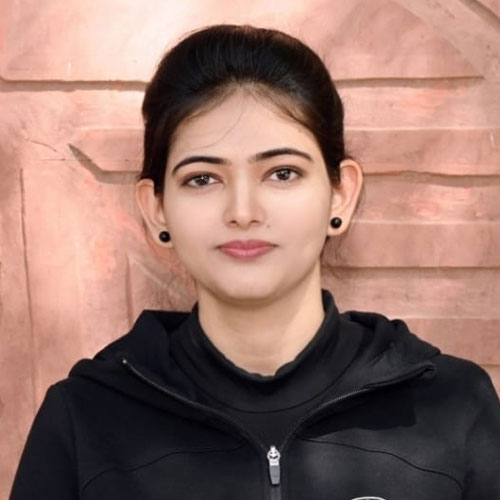
Dr. Pritha Sarkar
Dr. Pritha Sarkar (Associate Fellow)
Pritha completed her PhD in 2025 from IIT Kanpur under the supervision of Prof. Pradip Swarnakar. Her dissertation, Just Transition for a Coal Community: Examining the Precarious Work and Coal Dependence of Raniganj, West Bengal, explored the socio-economic vulnerabilities of coal-dependent communities in the context of India’s energy transition. She holds an M.A. in Sociology from the University of Kalyani. Before joining IIT Kanpur, Pritha gained professional experience across diverse fields, including the banking sector, welfare organisations, and teaching positions in schools and colleges.

Prince Kumar
Prince Kumar (Research Associate)
Prince Kumar is a postgraduate in Economics from the Central University of Haryana, with a strong academic foundation in economic theory, data analysis, and policy research. He also holds a B.A. in Economics from Lalit Narayan Mithila University. His academic and research interests include macroeconomic policy, development economics, de-dollarization, taxation systems, and institutional governance, with prior work exploring Chanakya’s taxation principles in a modern economic context.
He is trained in statistical and econometric analysis, with hands-on experience in SPSS, R, STATA, and Excel, and holds certifications in Statistical Data Analysis and the SEBI Investor Certification Examination. Prince is keenly interested in applying data-driven insights to public policy, regulatory frameworks, and interdisciplinary research at the intersection of law, economics, and technology. Through his association with JTRC, he aims to contribute to rigorous research, policy analysis, and evidence-based decision-making.

Dr. Rachna Vaish
Dr. Rachna Vaish (Project Post-Doctoral Fellow)
Rachna Vaish joined the JTRC-IIT Kanpur as a project scientist and is now working as project post-doctoral fellow. She has completed her Ph.D. from Rajiv Gandhi Institute of Petroleum Technology in Electrical and Electronics Engineering Department. Her research work was focused on analyzing the impact of renewable energy source integrations and increase in their penetration levels on power system fault diagnosis utilizing machine learning models. Her Ph.D. thesis title was "Performance Assessment of Machine Learning Models for Transmission Network Fault Diagnosis Amidst Ongoing Renewable Energy Source Integrations". She obtained her B. Tech from Shambhunath Institute of Engineering & Technology, Prayagraj, in Electrical Engineering and M. Tech from Kamla Nehru Institute of Technology, Sultanpur, in Power Electronics & Drives. She possesses several software skills such as C, C++, MATLAB, Python, Machine Learning, and Data Analysis. As a doctoral in electrical engineering, at JTRC-IIT Kanpur she aims to contribute to society by researching towards transitions faced due to renewable energy source integrations in energy market and suggesting policies suitable for sustainable development of Indian energy sector.
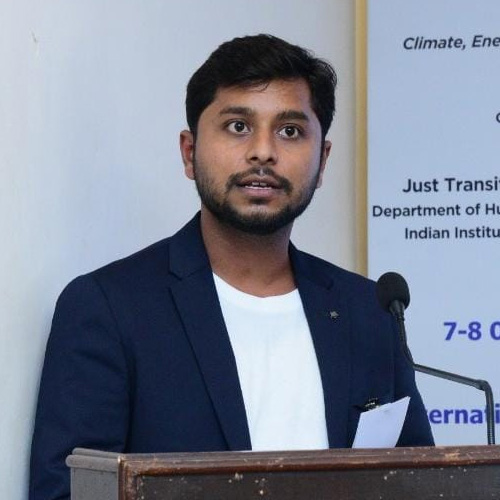
Ramraja Patel
Ramraja Patel (Research Associate)
Ramraja Patel is a distinguished public policy professional specializing in governance, policy advocacy, and data analytics. Currently a Research Associate at the Just Transition Research Centre (JTRC), IIT Kanpur, he is dedicated to advancing public policy and governance solutions to complex socio-economic and organizational challenges. His work focuses on co-designing renewable energy pathways and sustainable development models, specifically within coal clusters across India.
With a Masters in Public Policy and Governance from the Tata Institute of Social Sciences (TISS), Hyderabad, Ramraja brings deep expertise in mixed-methods research and impact evaluation. He has successfully led large-scale field studies (n=500-2500 households) and coordinated multi-stakeholder workshops involving government, private sector, and civil society actors. His technical proficiency in Stata, and ATLAS.ti allows him to translate primary data into actionable policy briefs and working papers on "People-centric Decarbonization" and "Economic Diversification".
A cornerstone of his academic rigor is his Master’s dissertation, which investigated "The occupational health hazards and health insurance coverage for bus and truck drivers". Through primary surveys and correlation analysis in Stata, he examined the critical links between work hours, exposure conditions, and insurance access to highlight systemic vulnerabilities in the transport sector.
Ramraja is deeply committed to community empowerment and sustainable development, utilizing participatory consultations to address Policy access and livelihood challenges. A skilled communicator and strategist, he excels in public and government relations, as well as industry-level policy advocacy. His professional achievements include winning the Policy Hackathon at Goa University and being awarded Best Delegate at the Youth Internet Governance Forum.

Raima Ghatak
Raima Ghatak (Ph.D Student)
Raima holds a Bachelor's degree in Geography from the University of Calcutta, and a Master's degree in Development Studies, from the Indian Institute of Technology Guwahati.
In her dissertation, she has worked at the intersection of agriculture, livelihood, and vulnerability. She has received the Best Thesis Award (MA) for the same. In 2024, her paper titled, "Agriculture, Livelihood and Vulnerability: A Case Study of the Char Dwellers in Bankura District, West Bengal",
was published in the Indian Journal of Human Development. Additionally, she has had employment experiences in the development sector as a Management Trainee as well as in academia as a Project Scientist at the School of Public Policy, IIT Delhi.
Her Research interest lies in Climate Change, and Migration.
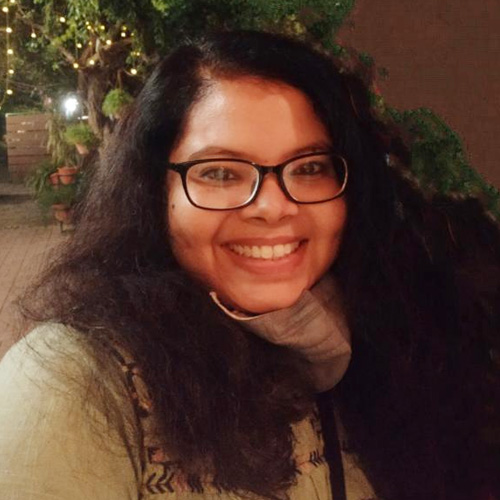
Rajshri Shukla
Rajshri Shukla (FARE Fellow)
Rajshri obtained her B.A. (Hons.) in Sociology from Hindu College, Delhi University, and M.A. in Sociology from CSJM University, Kanpur. Currently she is a third-year doctoral candidate in Sociology at the Department of Humanities and Social Sciences, IIT Kanpur. Her broad research interests revolve around Environmental Sociology, Climate Change, Energy Transition, Energy Justice, and Social Stratification. In her thesis, she aims to explore the treatment of the structural inequalities and injustices in the process of energy transition towards renewable energy by conducting a comparative study between India and Australia. She holds a national-level Junior Research Fellowship funded by the University Grants Commission. She presented her work at the 'International Workshop on Socio-ecological relations of the energy transition in Australia, Germany, and India in 2019' and 'European Consortium for Political Research (ECPR) General Conference 2020'. She has co-authored a paper with prof. Pradip Swarnakar titled ‘Beliefs and networks: Mapping the Indian climate policy discourse surrounding the Paris Climate Change Conference in 2015’ published in Environmental Communication.
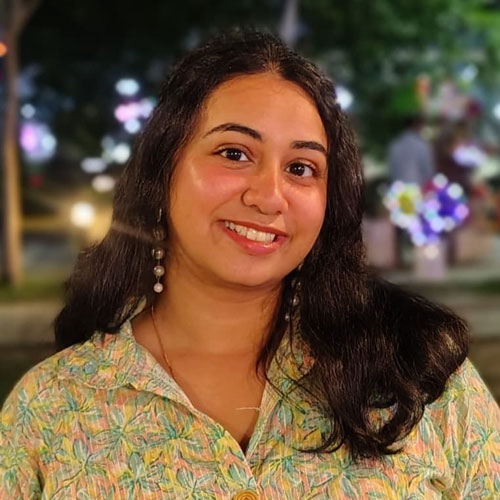
Rukmini Chakrabarti
Rukmini Chakrabarti (Research Associate)
Rukmini has completed her Masters in Sociology from Savitribai Phule Pune University. During her masters, she has completed a research report on 'Gentrification and its impact in urban cities'. She has worked with UNICEF as a Research Fellow for female journalists based in Maharastra. She has also worked as an Academic writer in Kolkata. Her volunteering experience with NGOs like Adore India and CRY has built her passion for grassroot involvement. Rukmini's research interest areas are Gender and Sustainability, with special focus on the role of rural and marginalised women's contribution in achieving sustainability. She also has a keen interest in psychology and the role it plays in intersectional academic research. She has completed certified courses on mental health and society. She likes to travel in her free time.
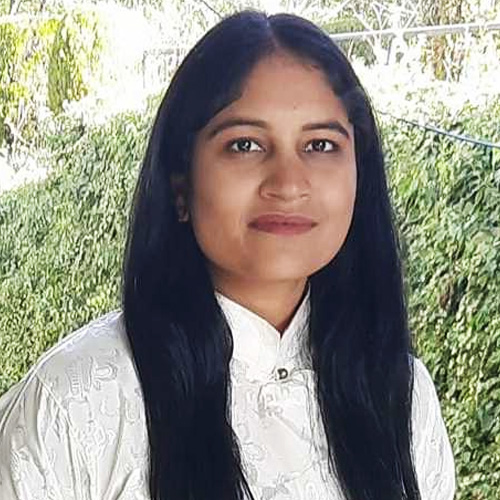
Dr. Saakshi Chauhan
Dr. Saakshi Chauhan (Project Scientist)
Saakshi obtained her PhD from Kumaun University, Nainital. She holds a Master’s degree in Economics from St. Joseph’s College, Bangalore and a Bachelor’s degree in Business Economics from the University of Delhi. She was formerly associated with the United Nations Development Programme (UNDP) as a Project Assistant in Plastic Waste Recycling Management project and with the National Mission on Himalayan Studies (NMHS) hosted at GB Pant National Institute of Himalayan Environment as a Senior Research Fellow. An interdisciplinary approach towards achieving just energy transitions from an economic and environmental standpoint is the focus of Saakshi’s research interests. Her doctoral work focuses on centralised and decentralised hydro electricity production and economic valuations of hybrid renewable energy technology mechanisms in remote Himalayan regions. Her work has been published in Current Science and Theoretical and Applied Economics. She has presented her work at the Indian Science Congress (2019 and 2020) and the Himalayan Researchers Consortium (2018 and 2019). Her work on renewable energy in the Indian Himalayan Region received the Best Presentation Award at the 4th Himalayan Researchers Consortium held at Wildlife Institute of India, Dehradun. She is also a certified mountaineering instructor and a skiing enthusiast.

Shashikala Patel
Shashikala Patel (Project Associate)
Shashikala Patel is a Chemical Engineering graduate from Indian Institute of Technology Kanpur with a strong interest in public policy, governance, and institutional reform. She has experience across consulting, policy research, and social impact initiatives, including working as a Management Consulting Intern at PwC and as a Research Associate at NEERMAN on rural development research in collaboration with the Bill & Melinda Gates Foundation. She has also contributed to large-scale pandemic relief efforts with India COVID Support. Her work and research interests focus on strengthening institutions and designing evidence-based solutions for inclusive development.

Shivangi Seth
Shivangi Seth (Programme Lead)
Shivangi Seth holds a Master’s degree in Climate Science and Policy from TERI School of Advanced Studies, New Delhi. She completed her mathematics and statistics graduation from Chhatrapati Shahu Ji Maharaj University, Kanpur. Shivangi has been associated with TERI School of Advanced Studies and Kalam Foundation to carry out research activities focusing on spatiotemporal data analysis and NGO survey and analysis. She has completed internships with ESPL, Gurgaon, where she was a part of the desk review team for the Clean Development Mechanism (CDM), Gold Standard for Global Goals (GS4GG) and Verified Carbon Standard (VERRA) projects. In her master’s thesis, she explored the scope of deriving “carbon mitigation benefits'' from electric vehicles in India and identified challenges and solutions for their growth and adoption in India. As a young explorer and researcher, she aims to contribute to society by pursuing climate and energy policy research for a sustainable future. As a Programme Lead at JTRC IIT Kanpur, she is responsible for leading research activities of the centre’s climate policy and just transition projects.
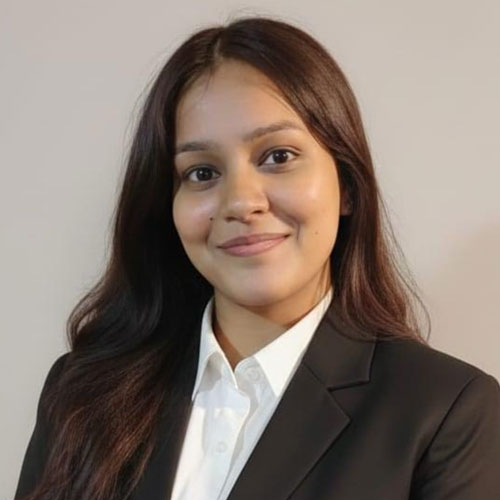
Shivani Singh
Shivani Singh (Research Associate)
Shivani Singh holds a Master’s degree in Economics from the University of Lucknow, with academic training in economic theory, policy analysis, and development studies. Her academic interests are complemented by practical exposure to themes of sustainability and social development.
She has contributed to academic discourse through her voluntary engagement in a National Seminar on the Sustainable Development Goals (SDGs), where she supported scholarly discussions and coordination related to global development priorities. This experience enhanced her understanding of interdisciplinary approaches to sustainable development.
Beyond academics, Shivani has a proven track record of grassroots engagement through her work in the non-governmental organizations including EKAL and the National Service Scheme (NSS), participating in initiatives focused on community outreach, education, and social awareness. These engagements have provided her with firsthand experience in addressing socio-economic and developmental challenges at the grassroots level.

Sonal Vilas Shah
Sonal Vilas Shah (Project Scientist)
Sonal recently joined the Just Transition Research Centre (JTRC), IIT Kanpur as Project Scientist. She has submitted her Ph.D. thesis titled "Microalgae mediated wastewater reclamation with bio-oil and biogas production - A sustainable integrated approach". During the academic journey, her work was focused on bioenergy, wastewater treatment, sustainable resource recovery and circular economy along with learning various advanced analytical techniques such as GCMS, FTIR, XRD, CHNS/O, FESEM-EDX, TGA, GC-TCD and UV-Visible Spectrophotometer. She has published in peer-reviewed journals and participated in several conferences. Her research interests align in the areas of clean energy transitions, waste-to-energy pathways and environmental sciences. Her aim is to contribute meaningfully by supporting interdisciplinary research that bridges technology development with real-world implementation for climate-resilient and resource-efficient futures.
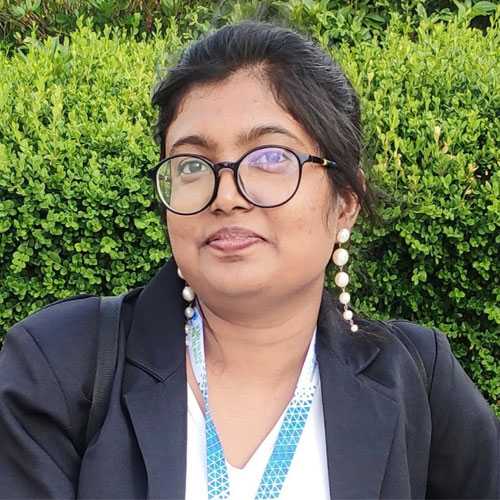
Dr. Sreya Sengupta
Dr. Sreya Sengupta (Project Post-Doctoral Fellow)
Dr. Sreya Sengupta is a project postdoctoral fellow at JTRC in IIT Kanpur. She earned her Ph.D. in Geology from IIT Kharagpur. Her doctoral research focused on understanding Indian Summer Monsoon (ISM) variability during long and short-term climate changes since the Middle Holocene and its impact on Indian society. Her research employs a multi-proxy approach, incorporating grain size analysis, major and trace element ratios, identification and characterization of n-alkane biomarkers, Total Organic Carbon (TOC)%, stable isotopes, and pollen from the lakes of northern India.
Dr. Sengupta holds an M.Sc. in Geology from IIT Bhubaneswar and a B.Sc. (Honours) in Geology from University of Calcutta. Her research expertise spans paleoclimatology, paleolimnology, paleoceanography, biogeochemistry, and sediment geochemistry. She has published extensively in peer-reviewed journals and presented her findings at national and international conferences.
She has working knowledge in R, Python, and MATLAB and has contributed as a co-editor and Early Career Researcher committee member for magazines such as Econscious and Quaternary Chronicles. Beyond academia, she is also an enthusiastic amateur cartoonist.
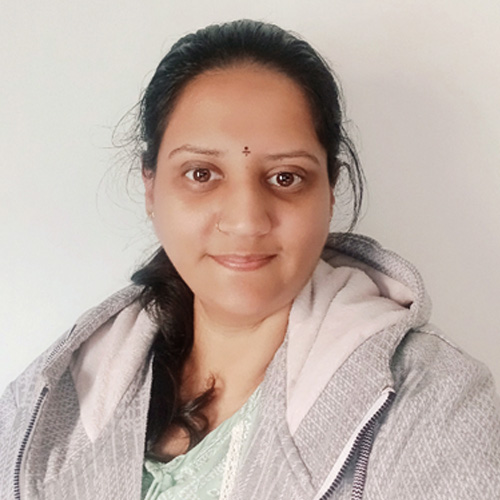
Dr. Srishti Saxena
Dr. Srishti Saxena (Project Post-Doctoral Fellow)
Dr. Srishti Saxena is an applied researcher with expertise in risk analysis and quantitative policy evaluation. A master's in statistics, she completed her PhD at Malaviya National Institute of Technology Jaipur, using advanced statistical methods such as multivariate regression, Cox proportional hazards modeling, and switching regression frameworks to study income security and risk dynamics in farming systems. Her work spans climate risk assessment, technology-enabled development research, and evidence-driven program evaluation. She has experience working with tools like SAS, R, Python, STATA, SPSS, NVivo, and Tableau, supported by training in data science and AI. She has experience in evidence-based program design through consultancy projects in drought mitigation, public health, and livelihood resilience.

Vaijayanti Burman
Vaijayanti Burman (Ph.D Student)
Vaijayanti Burman completed her graduation and post-graduation in sociology from Presidency University, Kolkata and M.Phil. in sociology from Jadavpur University. Subsequently, she joined the Indian Institute of Management, Calcutta as a Trainee Teaching Associate. Her postgraduate and M.Phil. dissertation topic was Portrayal of Mother-Child Relationship: A Sociological Study of Paintings through which she has tried to dispel and dissipate the societal myth of sublimity and romanticism in the mother-child relationship. She has also presented a paper titled “Hearing the Unheard: The Shabars of West Bengal” in 44th AISC, 2018. At CEPRL, she works as a project associate and manages communications and other research activities for multiple projects.
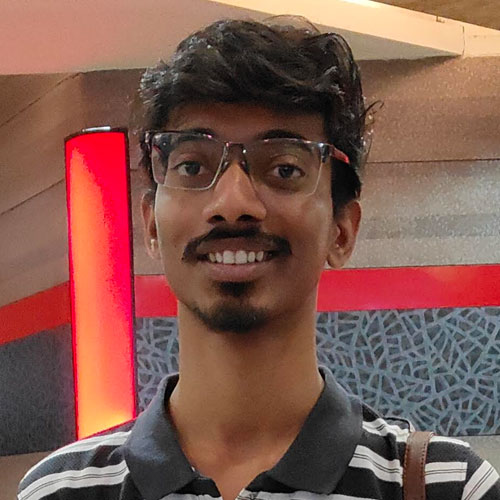
Utkarsh Kumar
Utkarsh Kumar (Research Associate)
I completed my Bachelor's degree in Economics from Delhi University and Master’s degree in Applied Economics from Centre for Development Studies (CDS) which is affiliated with JNU. I have interest in labour economics, industrial development, and public policy. My disseration focuses on evaluating the impact of skill development and vocational training programmes on employment and wage outcomes in India using econometric methods. I have worked with manufacturing and industry level datasets, including the NIC-2008 classification.

Vishal Saini
Vishal Saini (Project Manager)
Mr. Vishal holds a Master’s Degree in Commerce from DAV College, Kanpur. He possesses over nine years of comprehensive experience in the fields of Accounts and Taxation, having served in reputable FMCG and manufacturing organizations, including Rahman Industries Ltd, RSPL, Ananda Dairy Products, and Sukbhir Agro Energy Ltd.
In 2020, Mr. Vishal joined the Indian Institute of Technology Kanpur as an Assistant Project Manager, where he was responsible for managing the Receipt Unit of Institute Accounts, facilitating bank reconciliations, and preparing various payment vouchers. He joined the Just Transition Research Centre (JTRC), IIT Kanpur, in September 2023 and is currently designated as Project Manager, overseeing the Centre’s accounting activities.

Yashoyini
Yashoyini (Ph.D Student)
I completed my Bachelors in Sociology from Lady Shri Ram College, University of Delhi and then proceeded to do my Masters in Social work (public health) from Tata Institute of Social Sciences. During my masters, I worked with different community organisations and NGOs in remote parts of West Bengal and Maharashtra. After completion of my Master's degree, I served as Executive (CSR) in NTPC ltd for a period of one year. I am currently a PhD student in the department of Humanities and Social Sciences, IITK. My research interests include rehabilitation and resettlement, climate change and occupational health, environmental sociology and sustainability.