Introduction
National Service Scheme (NSS) Students Visited Health Centre of College Campus on Tuesday, 8 October 2024. They learnt about the Importance of Cardiopulmonary resuscitation (CPR).

National Service Scheme (NSS) Students Visited Health Centre of College Campus on Tuesday, 8 October 2024. They learnt about the Importance of Cardiopulmonary resuscitation (CPR).
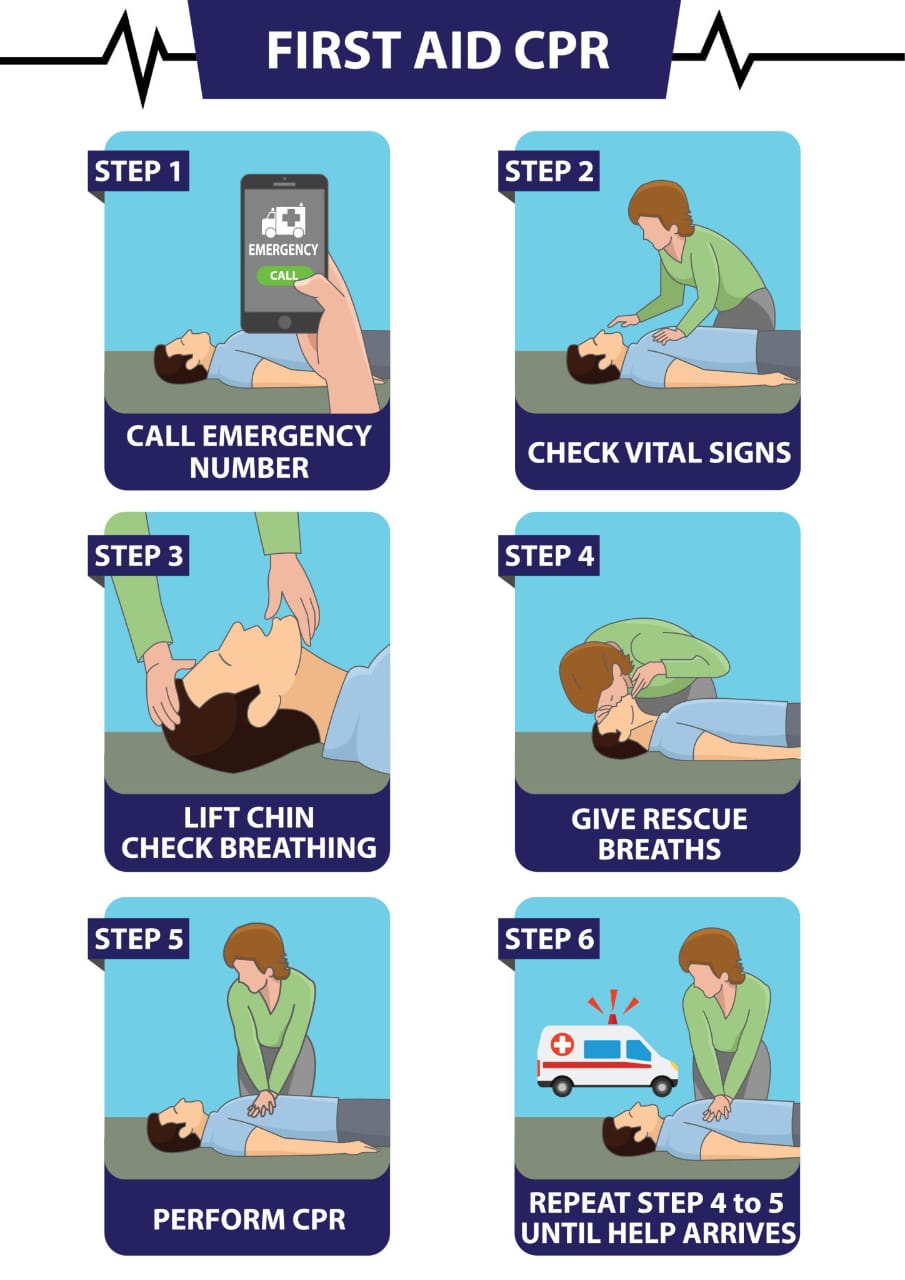
The Health Centre Experts and Doctors who were there Explained that CPR stands for Cardiopulmonary Resuscitation. It is a simple but life-saving technique used when someone's heart stops beating or they stop breathing. This can happen during a heart attack, drowning, or other emergencies where the body isn’t getting oxygen. CPR involves pressing down on the chest (compressions) and sometimes giving breaths to keep blood and oxygen moving through the body. It’s given right away in these situations, usually by someone nearby, until medical help arrives.
The importance of CPR is that it can keep a person alive until doctors take over. When the heart stops, brain damage can start within minutes without oxygen, and death can follow soon after. CPR buys time by mimicking the heart’s pumping action, helping the brain and other organs survive. It doesn’t always restart the heart, but it doubles or even triples the chances of survival if done quickly and correctly. That’s why learning CPR is so valuable—it turns regular people into potential lifesavers.